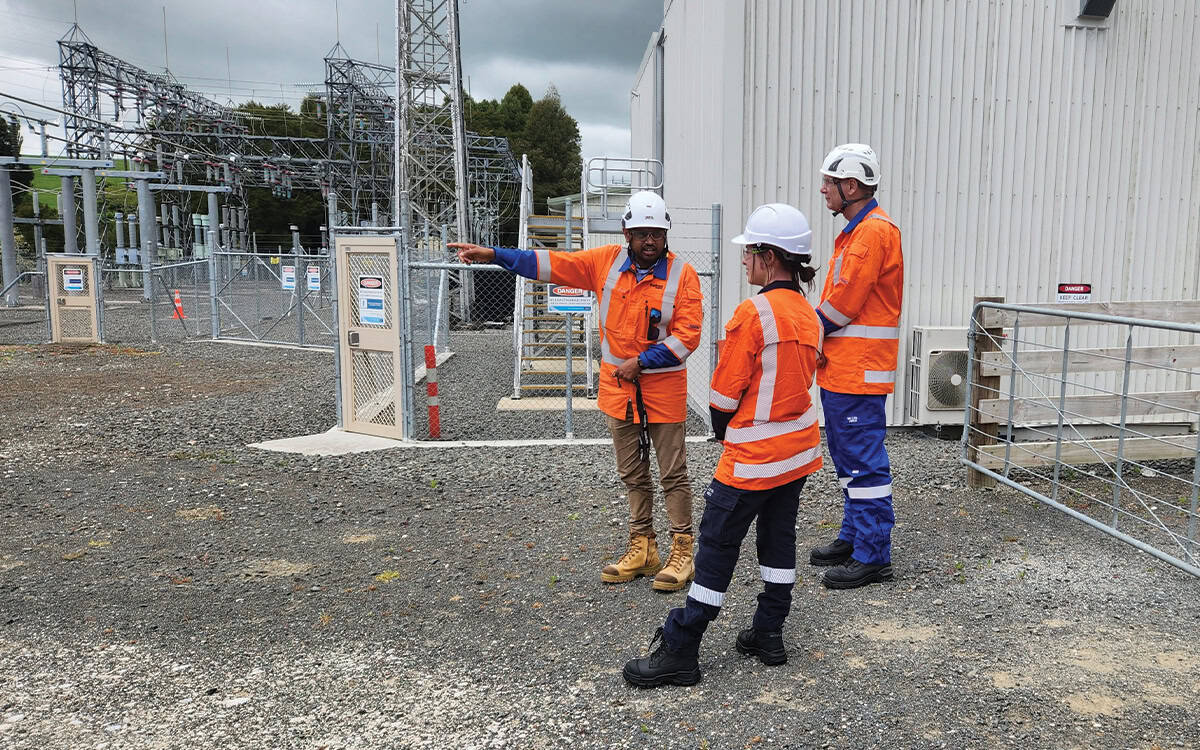
Operational Technology (OT) has become the backbone of the electric utility industry. It measures, monitors, and controls assets in the field to provide real-time analytics, insights, contingency analysis, and resiliency planning. Utilities rely on these OT systems to operate the grid safely and efficiently.
Prior to joining PSC, I worked for 11 years with a major OT solution vendor delivering large scale systems to utilities across North America. Our projects were technically successful, but they did not always deliver the full value the utility expected. Systems were installed, they passed acceptance tests, and they went live. Yet months later, operators were still using old workflows. Data was available but not fully leveraged. Integrations that could have driven efficiency were never completed.
The issue was rarely the technology itself. It was the lack of a true bridge between the customer and the vendor.
The utility perspective
Utilities are complex organizations. Depending on the company, OT may sit within an EMS group, under IT, within operations, or under infrastructure. Decision makers range from managers of automation and controls to leaders in operations and engineering. Each group has its own priorities and constraints.
Most utilities understand that OT systems are critical. These platforms support reliability, safety, compliance, and performance. They represent significant investments, often in the hundreds of thousands or millions of dollars.
In a perfect world, the utility would act as its own system integrator. Internal teams would dedicate time and expertise to define operational procedures, align new systems with business goals, and continuously optimize performance. Some organizations are able to do this. They build in house expertise and take ownership of configuration and utilization.
But in many cases, that is not realistic. Internal teams are stretched thin and there is no dedicated role responsible for bridging technology to operations. As a result, utilities often delegate more responsibility to the vendor than the vendor is designed to carry.
The vendor perspective
Vendors play an essential role and serve direct needs for utilities. They design powerful technology, and they also build, configure, and install systems. They work hard to deliver within a defined scope of work.
However, vendors are incentivized to sell systems and deliver on contract. Their responsibility is to implement what was specified. They are not structured to own the broader operational or business goals of the utility.
In my years on the vendor side, I saw how projects were managed. The focus was on delivering the agreed functionality, commissioning the system, and moving forward. That is how vendor organizations operate efficiently.
The challenge is that the broader utility goals of integrating a new vendor’s technology across the organization may not be achieved. Valuable features remain underutilized. Not because the vendor failed, but because it was outside their scope.
Vendors are not positioned to step beyond defined scopes of work and reshape how a utility operates. Expecting them to do even more can create friction and risk.
Why there needs to be a bridge
When customers lack the bandwidth to self-integrate and vendors are limited to their defined scope, a gap forms. This gap leads to familiar outcomes. Clients become frustrated because the system does not feel as transformative as promised. Vendors find themselves in difficult conversations about scope creep and expectations. Projects experience delays or extended timelines as new requirements surface late in the process.
More importantly, value is lost. Utilities invest heavily in advanced OT platforms, yet use them as if they were basic replacements for legacy systems. It is like purchasing a state of the art fighter jet and using it to fly to the grocery store. The capability exists, but it is not being harnessed.
What is needed is a party that focuses on tying everything together. Someone who understands the technology deeply, but also understands daily operations, business objectives, and human workflows.
That is the role of a true system integrator.
The System Integrator: More than a Consultant
A system integrator is not simply an advisor. Many organizations bring in consultants to assess a system and provide recommendations. Consultants often deliver valuable insights, roadmaps, and governance frameworks. But they are typically hands off. They advise on what should be done, and this often falls (again) on the vendors.
A system integrator goes further. They work directly in the system. They configure, align, and implement. They translate business needs into technical reality and stay engaged through execution.
The system integrator builds the bridge between the utility and the vendor. They collaborate with both sides. They ensure that the vendor can focus on delivering its core scope while the utility achieves outcomes that extend beyond a standard implementation.
This approach solves several common problems. It reduces the no man’s land of unclear ownership. It limits scope confusion by clarifying roles early. It accelerates project timelines because someone is explicitly responsible for integration and value realization. It increases user acceptance because the new system is intentionally designed around operational procedures.
Most importantly, it turns a typical implementation into a tailored solution that reflects the utility’s real needs.
PSC as the system integrator
At PSC, many of us come from the vendor side. I came from OSI and know that platform deeply. Others on our team come from GE, Schneider, and other leading OT providers. We understand how these systems are built and how projects are delivered.
That background matters. We know how to communicate effectively with product teams and delivery managers. We can place subject matter experts on the right systems and speak the language of both technology and operations.
We ideally engage early in a project, helping guide architecture and alignment before major decisions are locked in. But we can also come in later to stabilize a struggling effort or help a client extract more value from an existing platform.
In every case, our goal is the same. Connect operations to business outcomes. Ensure that technology investments translate into measurable improvement. Help utilities avoid spending significant capital only to achieve incremental change.
A shared success OT model
When a true system integrator is involved, all three parties’ benefit. The vendor can deliver its scope confidently without being pulled into responsibilities that do not align with its business model. The utility gains a solution that is customized, integrated, and aligned with operational needs. The integrator ensures that the project moves efficiently toward value, not just completion.
OT systems are powerful tools, but technology alone does not deliver transformation. Utilities that recognize this reality are better positioned to maximize their investments. They move beyond installation toward true operational improvement.
At PSC, we believe the world needs more than successful system deployments. It needs systems that work in harmony with people, processes, and business goals. That is the bridge we are committed to building.
PSC can help
PSC partners with utilities to integrate OT systems in a way that aligns technology with people, processes, and performance.
Learn more about our Operational Technology capabilities or contact us to find out how we can help.